Paul Krugman thought little of the Internet’s potential, predicting, “The growth of the Internet will slow drastically,” he wrote, “most people have nothing to say to each other! By 2005 or so, it will become clear that the Internet’s impact on the economy has been no greater than the fax machine’s.”
It’s fair to look back and acknowledge not everyone fully appreciates a technology at the time of its inception or early years.

The same is true for Bitcoin, or will be.
Mainstream accounts of Bitcoin range from terrifying criminal portrayals to a speculative mania rarely seen. While some of that is for sure going-on, the vast majority of Bitcoiners are people interested in a reliable payment system and a money that holds its value (or better).
Leave the hype behind, both good and bad, and instead consider the basics of Bitcoin as a network and bitcoin as a money.
Install a Wallet on Your Phone or Computer
Think of it like electronic mail, email. You don’t really understand how it works either, but you’ve used it in some fairly serious communications. Same might said of social media: you have an appreciation of its power because you’ve experienced it.
To really get bitcoin, you have to use it, experience it in some practical way. The first thing to do is download a wallet, a piece of software to install on your smartphone or home computer. Continuing with the email analogy, you’re setting up your email address, but for money.
I am biased, of course, and believe Bitcoin.com’s wallet is the easiest to use, but there are many available options. For beginners, ours is ideal.

Follow the wallet prompts, and you’ll find a snazzy little window. It’ll show a Quality Response code (QR), a square of black and white rectangles and other squares within squares. Beneath that will be a generated string of letters and numbers, capitalized and lower-case.
The QR and that alphabet and numeric soup beneath are basically the same thing, it’s your email address — sorry, your money’s address.
It’s from here you can receive and send bitcoin in whatever desired amounts.
Buying Bitcoin, Buying with Bitcoin
Now that you’re set up to receive and send, you might wish to actually get some bitcoin. There are a few ways to accomplish this.
One, if you have a friend who already has some and who wouldn’t mind sending a few fractions of it along as a test, ask. Sitting down with someone and getting a first-hand glimpse a the future of money is pretty great.
Two, if you do not need instant gratification and can wait a while, try earning some. See if someone will pay you for a service you can provide, a good you’re selling. Check around. You may be surprised who might be willing.
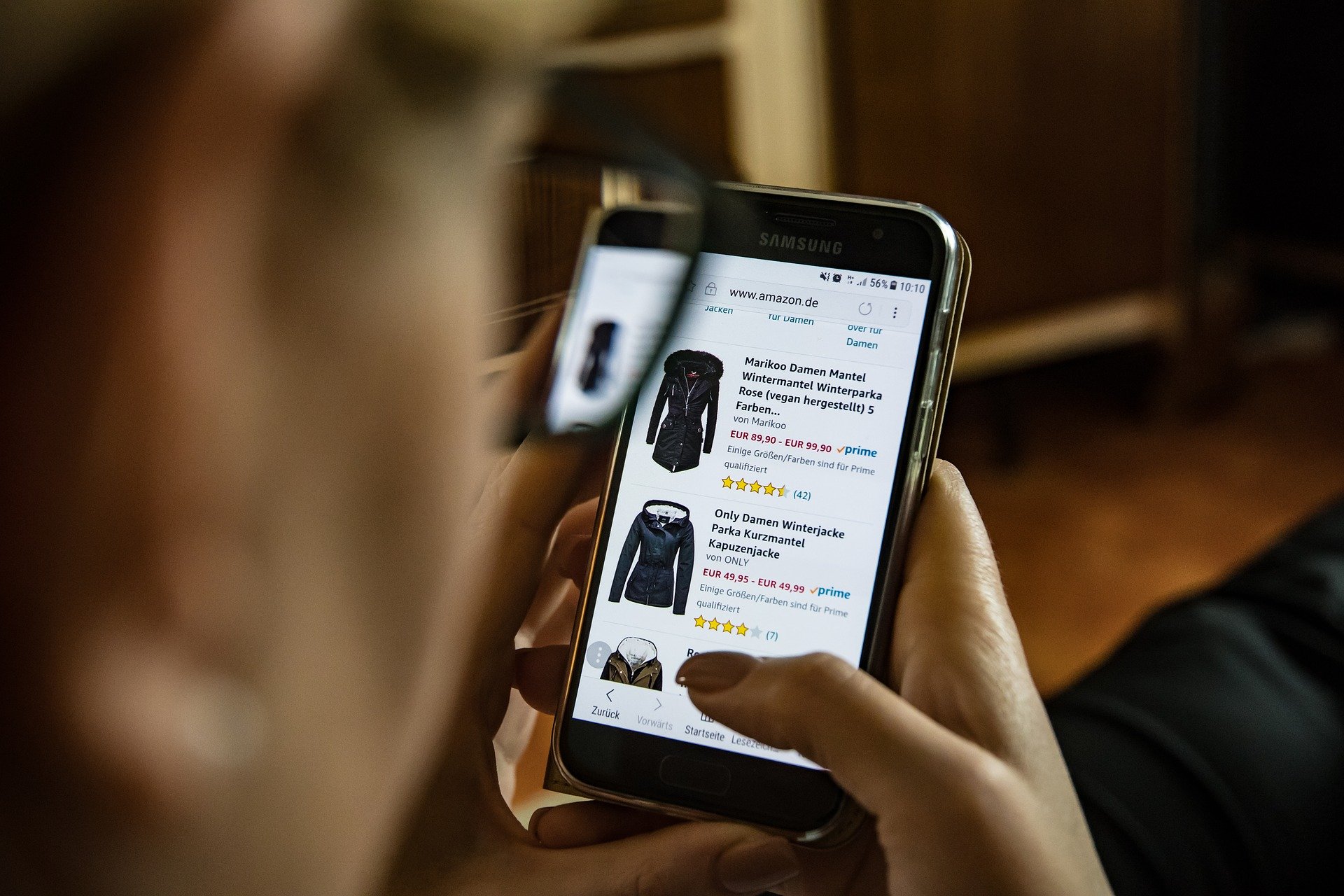
Three, the easiest way is just to jump-in. Find an exchange, and again I am biased. I suggest clicking through our site, here. One thing I like about all our services is their ease of use. You will have to buy a minimum of 50 dollars worth, and fees apply, but at least you’ll be onboard!
The handy conversion fields tell you exactly how much to expect for however much you wish to purchase.
From there, you can shop for where to spend bitcoin or you can simply hold onto your wallet amount. I suggest at least trying one purchase, but it’s also a lot of fun to ride bitcoin’s price wave (hint: it doesn’t always go up).
Technical Stuff
On purpose, I’ve avoided technical issues like cryptography, hash-rates, nodes, blocks, decentralization, forks, and all the rest that comes with a deeper dive into bitcoin.
They’re wonderful to explore as well, and they’ll broaden your appreciation for what bitcoin is, ultimately. But for now, spend just enough of your money, relatively small amounts, to dip your toes.

If you’re still stuck on what bitcoin is, and just cannot wrap your mind around it enough to give it a go, check out ourAcademy. It’s a visual guide, and, showing my bias again, it rules as a starting place.
Comments